Anzeige
Fauna Marin GmbH Mrutzek Meeresaquaristik ICP Fauna Marin GmbH Aqua Medic

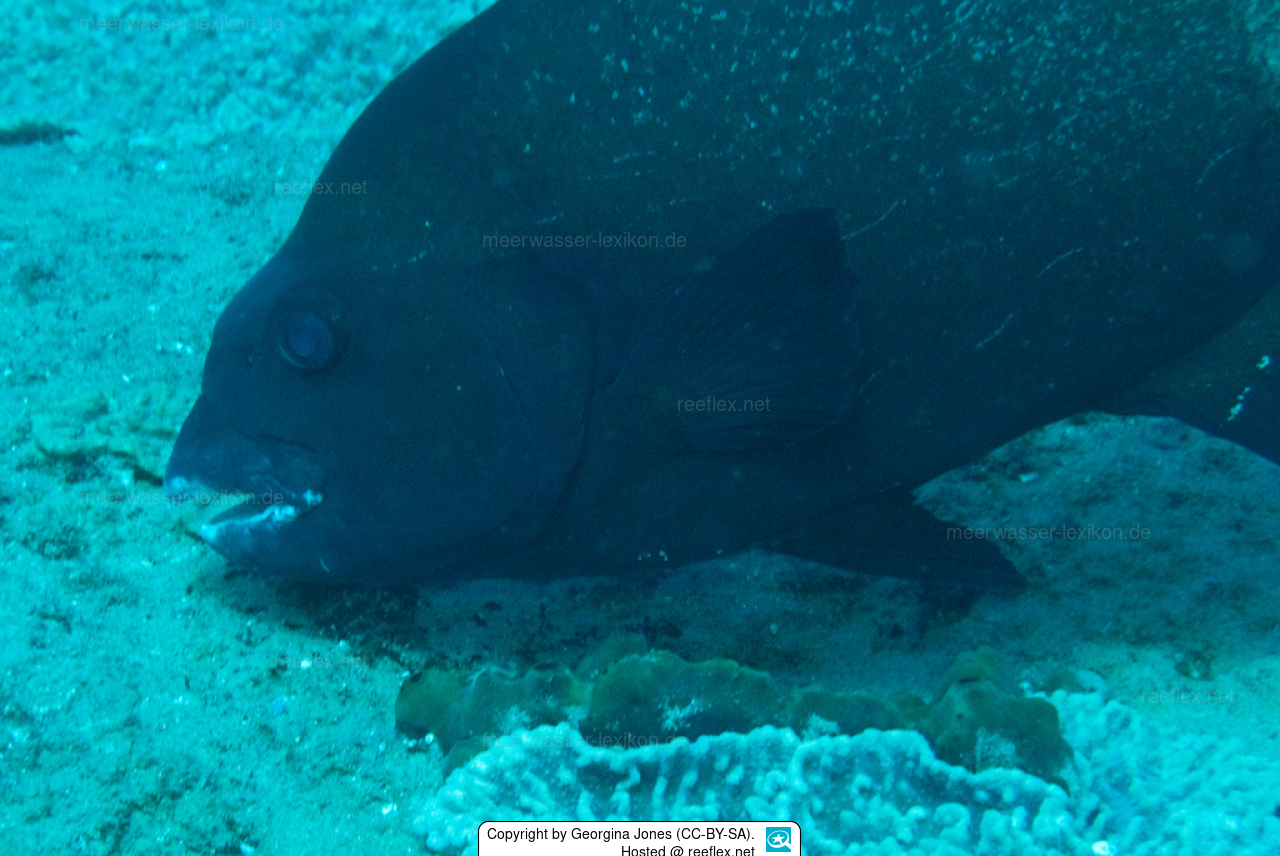
Oplegnathus robinsoni Natal Knifejaw

Oplegnathus robinsoni is commonly referred to as Natal Knifejaw. Difficulty in the aquarium: suitable for large display tanks (public aquarium or zoo) only. Toxicity: Toxic hazard unknown.


Profilbild Urheber Georgina Jones (CC-BY-SA), Cape Town

Oplegnathus robinsoni,steps Ponta do Ouro, Maputo, Mozambique 2026 (CC-BY-SA)


Courtesy of the author Georgina Jones (CC-BY-SA), Cape Town . Please visit www.inaturalist.org for more information.

Uploaded by Muelly.

Image detail


Profile

lexID:
18460 
AphiaID:
218775 
Scientific:
Oplegnathus robinsoni 
German:
Natal Schnabelbarsch, Robinsons Schnabelbarsch 
English:
Natal Knifejaw 
Category:
 
Family tree:
Animalia (Kingdom) > Chordata (Phylum) > Teleostei (Class) > Centrarchiformes (Order) > Oplegnathidae (Family) > Oplegnathus (Genus) > robinsoni (Species) 
Initial determination:
Regan, 1916 
Occurrence:
KwaZulu-Natal (Province East Coast South Africa), Mozambique, South-Africa 
Marine Zone:
Subtidal, sublittoral, infralittoral, deep zone of the oceans from the lower limit of the intertidal zone (intertidal) to the shelf edge at about 200 m water depth. neritic. 
Sea depth:
20 - 100 Meter 
Habitats:
Coral reefs, Reef-associated, Rocky reefs 
Size:
15.75" - 23.62" (40cm - 60cm) 
Weight:
3 kg 
Temperature:
18,8 °F - 29,6 °F (18,8°C - 29,6°C) 
Food:
Carnivore, Coral polyps = corallivorous, Crustaceans, Fish (little fishes), Predatory, Sea squirts, Sepia 
Difficulty:
suitable for large display tanks (public aquarium or zoo) only 
Offspring:
Not available as offspring 
Toxicity:
Toxic hazard unknown 
CITES:
Not evaluated 
Red List:
Not evaluated (NE) 
Related species at
Catalog of Life
:
 
Author:
Publisher:
Meerwasser-Lexikon.de
Created:
Last edit:
2026-07-06 13:21:39 

Info

Oplegnathus robinsoni Regan, 1916

Oplegnathus robinsoni belongs to the family of billfishes also called knife-jaw fishes.The name "knife-jawed fish" is derived from the fact that the teeth of adults have grown together to form a parrot-like beak.This hard beak is used to crack and bite the hard-shelled prey of the razorback.

A good distinguishing feature between billfish and parrotfish is the difference in body scale sizes, which are much smaller in billfish.Beaked perch are kept in aquaculture, fished commercially and are also popular with sport fishermen.

Synonymised names
Hoplegnathus robinsoni Regan, 1916 · unaccepted (misspelling)

External links

  1. fishbase (en). Abgerufen am 06.07.2026.
  2. Wikipedia (en). Abgerufen am 06.07.2026.

Pictures

Adult


Juvenile


Commonly


Husbandry know-how of owners

0 husbandary tips from our users available
Show all and discuss